 I was uncertain as to whether to visit this town from Uyuni or continue to Sucre but decided that this would be a good break to the long bus journey and I would arrive in Potosi at a decent time instead of after midnight in Sucre.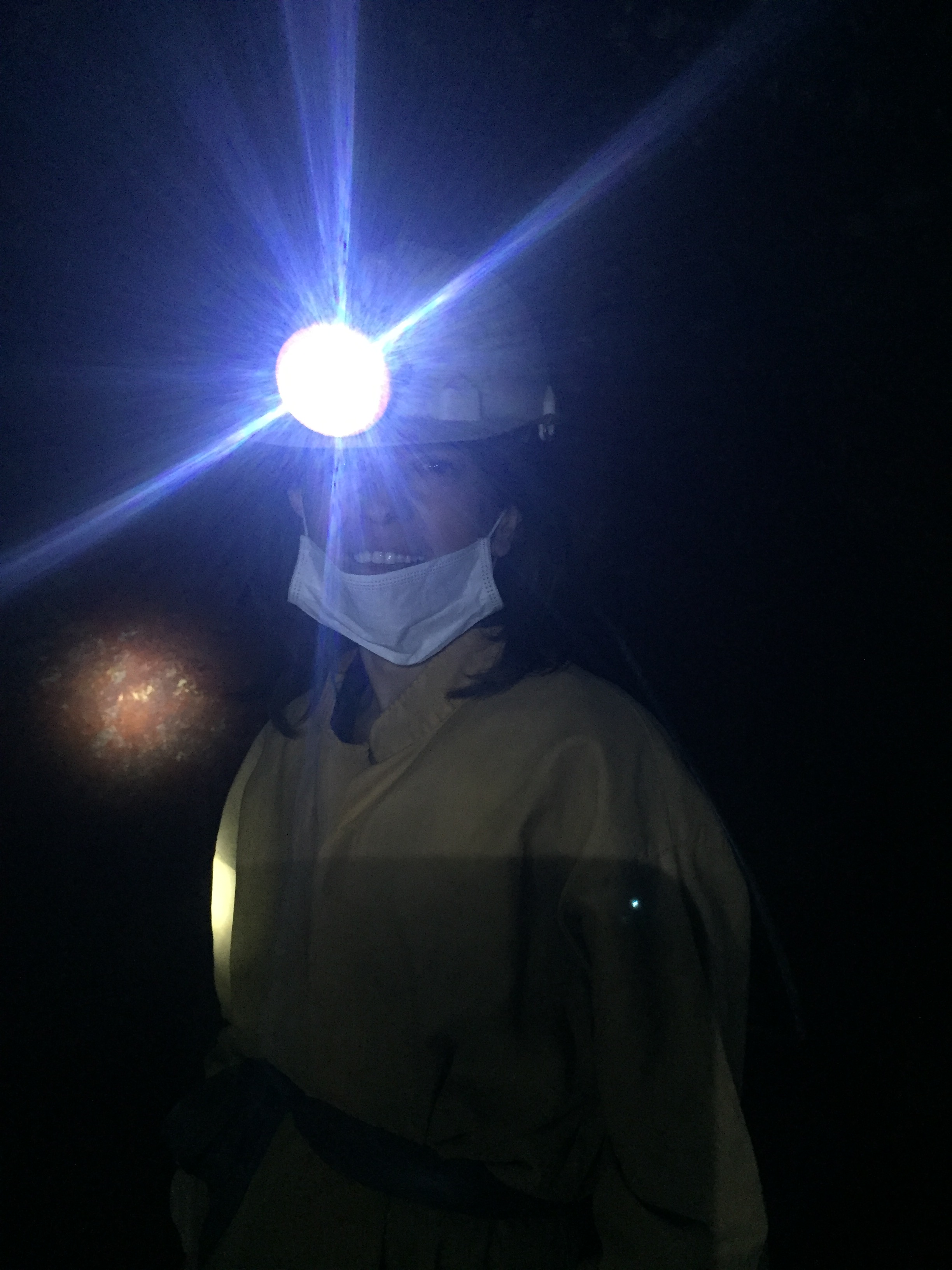
Half way through the 5 hr bus journey, I was desparate to go to the bathroom. When the driver stopped at one of the villages, I politely told him that I needed the bathroom. He said that I had to hold on until our arrival which was completely out of question. Seeing my facial expression, he asked if it was number 1 or 2 (as if it would make any difference to the urgency!). Then suggested that I take a sit near him and pick a spot along the windy mountain roads for him to stop the bus.
As soon as I took my seat, not only was I fighting the nature’s call but also had to manoeuvre his over friendly, very inquisitive, personal questions: “Why do I travel alone?, how much does it cost to travel?, do I have a husband, any children?, why couldn’t the husband travel with me etc…”. Thankfully, I spotted a suitable place and he stopped the bus. When I returned, he greeted me with a large grin on his face, I was relieved that I could finally answer nature’s call but also that I could go back to my seat!
On arrival, the taxi driver didn’t know the hotel and could not drive through all the one-way streets. So, I got out of the car near the main square and started looking for my hotel. After a few wrong misdirections, a group of teenage boys were kind enough to pause their video games on their mobiles and find the hotel using their maps. It turned out, my Hostal Colonial was just 2 minutes away.
There is very little to see around Potosi, other than its main square and the fact that it is among the world’s highest cities (4090 m altitute) followed by the other Bolivian cities El Alto and La Paz, all of which I would visit during my stay in Bolivia.

Potosi is home to several silver & copper mines. I was warned that a visit to mines could be dangerous as it involves being several km underground in an active working mine. However, I had decided to take the risk and booked the visit for the next morning.
Our visit was guided by a lovely lady Sol (meaning sun) who had this stern look but smiling eyes. She had a big grin that showed all her teeth stained from coco that she chews and possibly also from the sugar and salt rocks that she bites, which she had introduced as the main staples of the miners. See below.
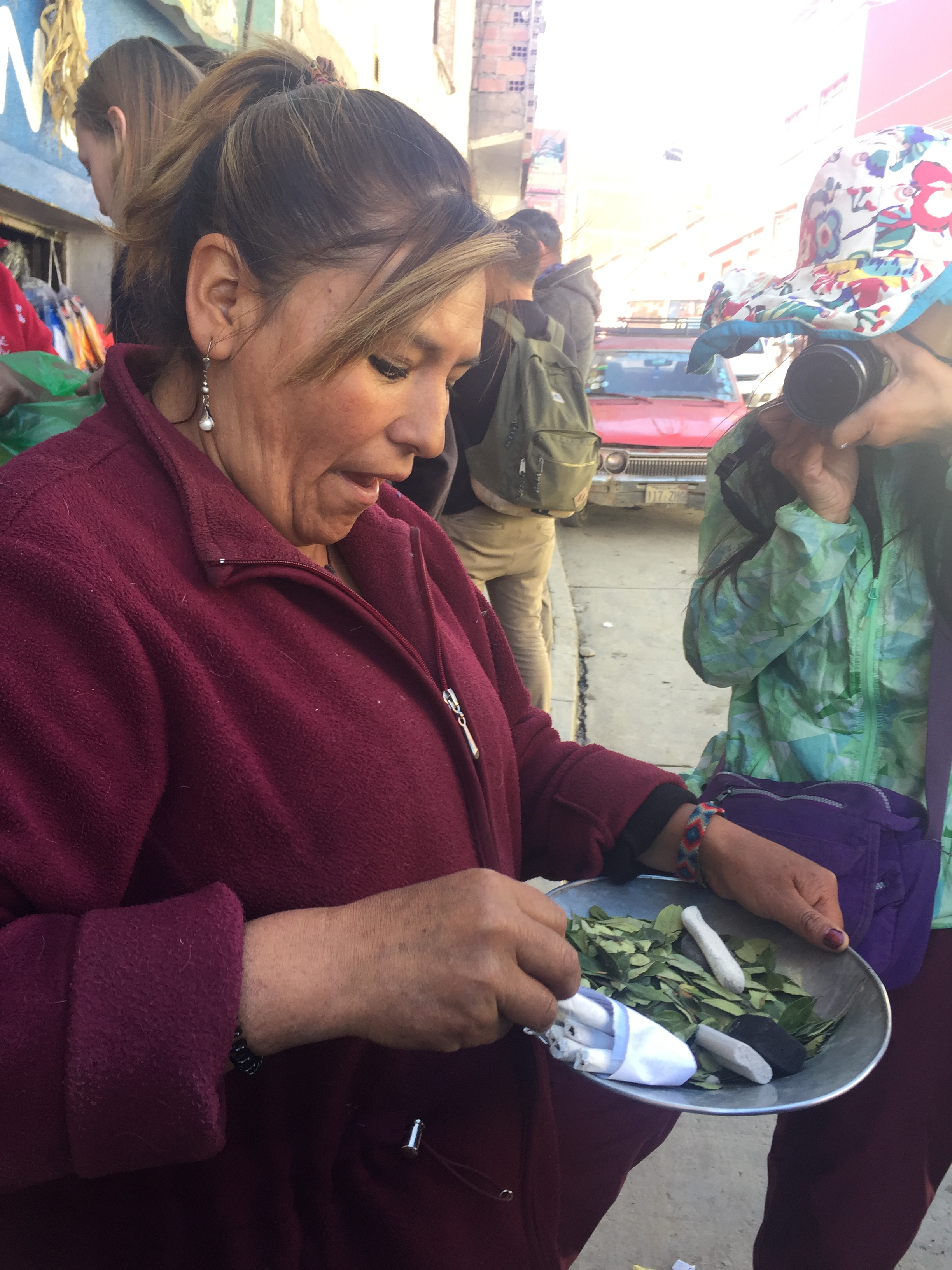


The miners also regularly consume are 95% pure alcohol, cigarettes and an intensely sugary drink. The alcohol is consumed in very small quantities mainly to clear their throats, the coco leaves to calm them down and the salt/sugar rocks provide energy. Having done her share of visit to these mines over the past 15 years, Sol, like the miners, appear to be addicted to all these.
Our first stopping of point was the miners’ market where they purchase these staples and cigarettes. We were all encouraged to buy some small gifts to give to the miners that we would see working under the ground. Then quickly, we got dressed into miners clothes which included knee high wellingtons and helmets fitted with torches.


I had try to prepare myself for underground conditions at this altitude but still, once we were a few hundred meters underground and started smelling all the dirt and the possible toxins, I questioned whether it was a safe thing to do. At this point, a few people decided that they would get out but seeing these hard working miners fly past us many times, I could not just leave and decided to go on.

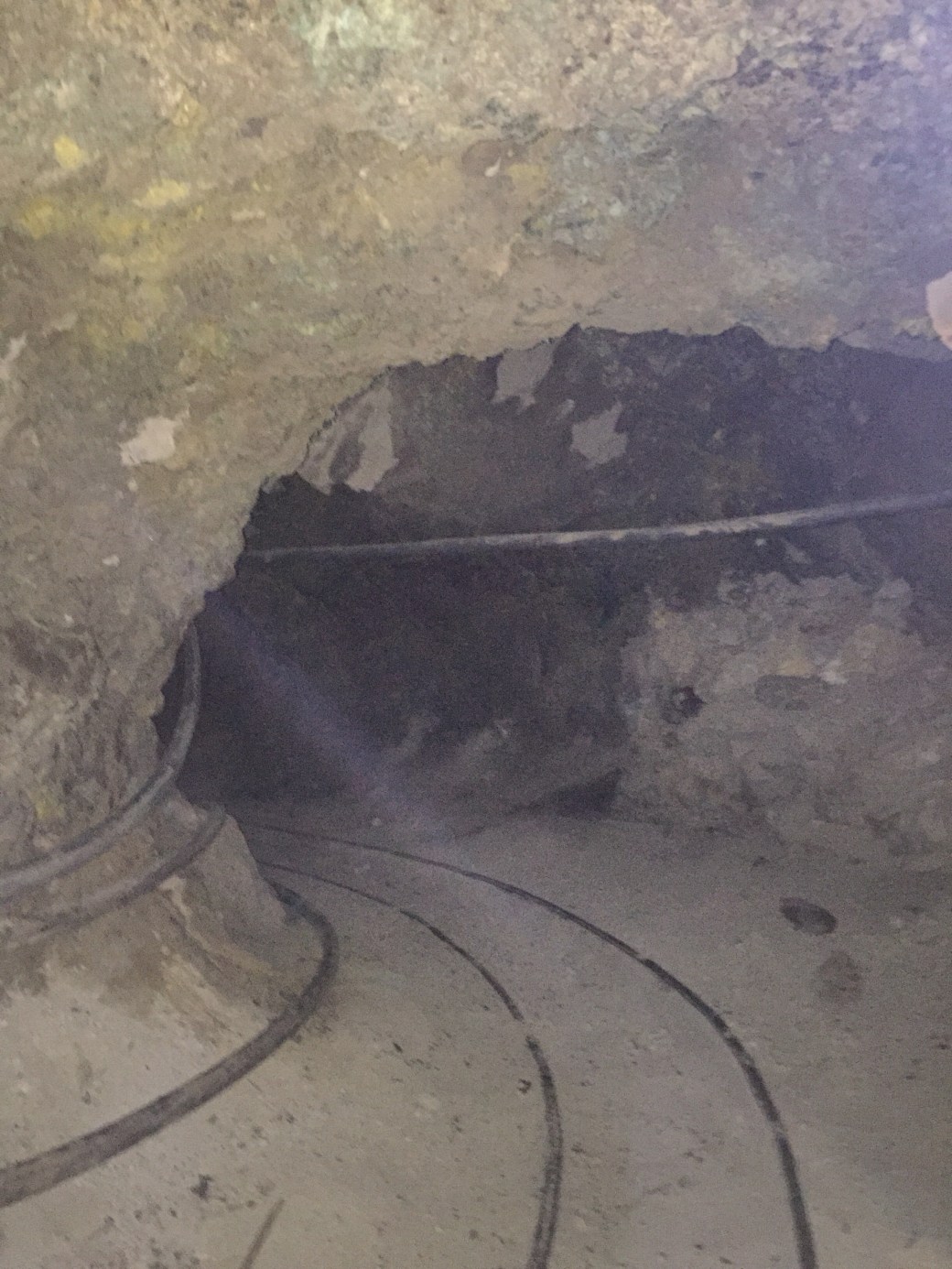
We pressed on deeper into the dark ignoring our coughs and the toxins we were inhaling through our hospital masks. Frequently we had to step aside and make way for the miners hurrying past and others making their way out with vagones full of rocks. At one section we had stopped and saw about 4 miners struggling to maneuver near 1 ton weighing cart around one of the corners. Some of us joined in to push and pull the cart through this rather trick corner. In a few minutes the cart was successfully turned. We were all exhausted after only 5 minutes but the miners had another 1km to go.


Later on, we saw another group of miners piling their full bags onto a cart which would be pulled/pushed like just the one we saw. We wanted to help again and Sol was happy to take a short break. The miners around us were watching with a synical smile on their faces as they knew we couldnt lift the bags. I am told that each bag is 45kg. I managed 3 of them and was exhausted but cheered! At this altitue and undeground, the bags certainly felt much heavier!


Our next section was the underground museum which is the original mine from the colonial time hundreds of years ago. I had read about the horror stories of Spanish using the indigenous population and African slaves. To make most of their labour, they were forced to stay underground 6 months at a time working 16 hour shifts. Having initially hesitated to be underground for a few hours, I cannot even contemplate their suffering; in the end thousands of them died here.
We listen to these stories with sad hearts and visit the two Gods worshipped by the miners to offer our prayers. The Gods are half man/half devil creatures with prominent sexual organs sticking out. We are told that this represented the good luck and prosperity for the miners.

I think that the current conditions, probably improved multiple times, are still not great. The good news is that most miners are self-employed through cooperatives but apparently their tax payment is very prohibitive. Also, each manager miner is helped by a few daily wage workers who make maximum 300 bolivianos a day (about 40 USD) but for that they must pul several carts filled with tons of stones carved out from inside. These daily workers have no insurance, no job security or retirement benefits.
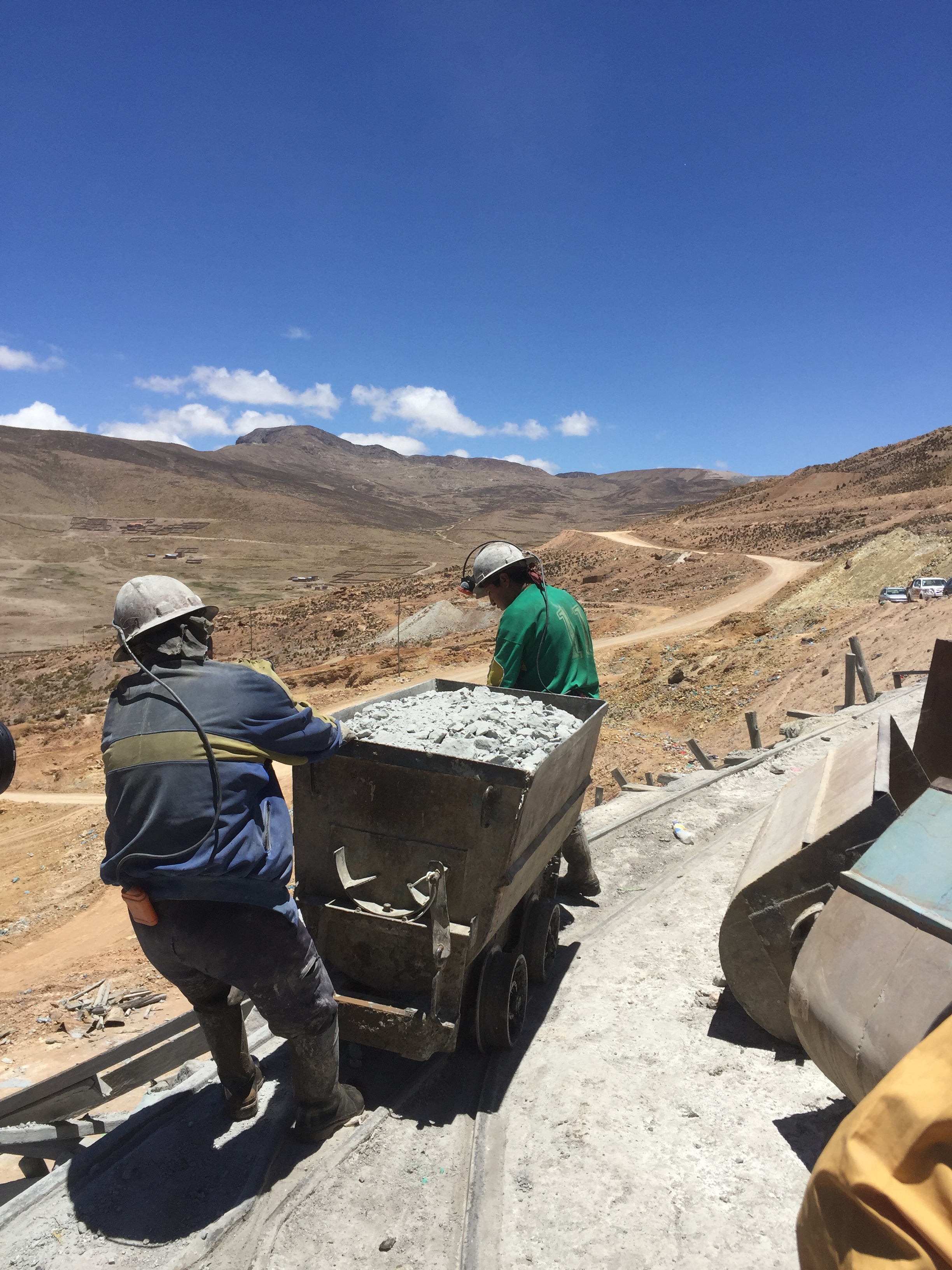 We chatted with miners who were resting inside, gave them our gifts then said farewell to walk back the same way. This time I was not feeling any of the worries but was also looking forward to fresh air and daylight.

I left the mine with respect for the hard working miners and a decision that I shall never think that I work hard enough! I plan to frame one of their pictures for my office space to remind me this on tough days and to remember all the slaves and forced workers who died there.
One positive side of the mining stories is that the wealth from Potosí was poured into the beautiful city Sucre which I will visit next before heading to La Paz.
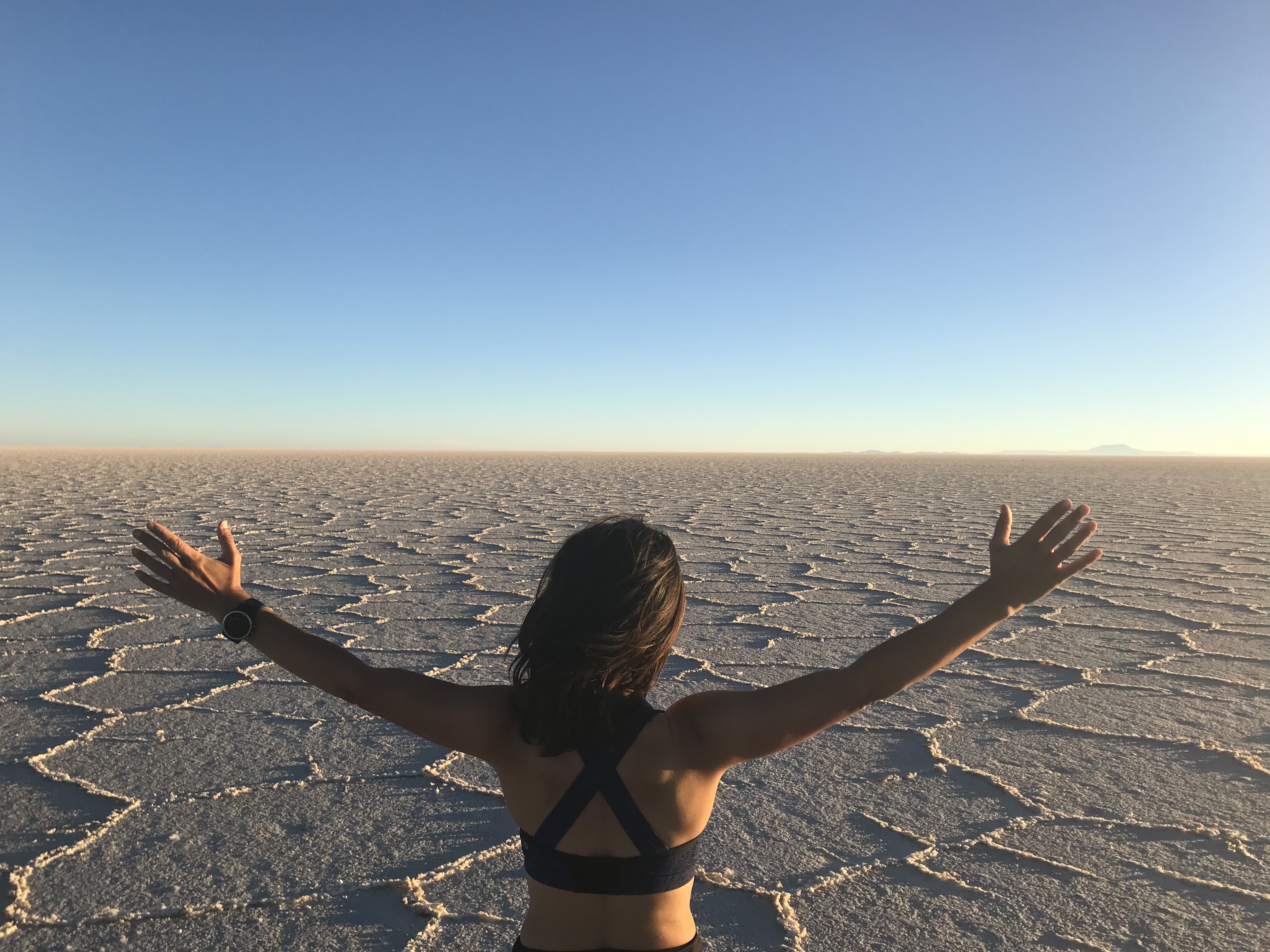 After nearly 40 days in Chile, I said goodbye and started my journey into Bolivia by joining a 3 day tour accross the southern parts of Bolivia, including the Uyuni Salt Flats.














 Although I practiced different forms of yoga over the years, I didn’t know anything about Kundalini Yoga. I hope to learn more and write about it. For now, I can only say that It’s a form of yoga that effectively combines breathing techniques, meditation and physical exercises.
 Busy Feet